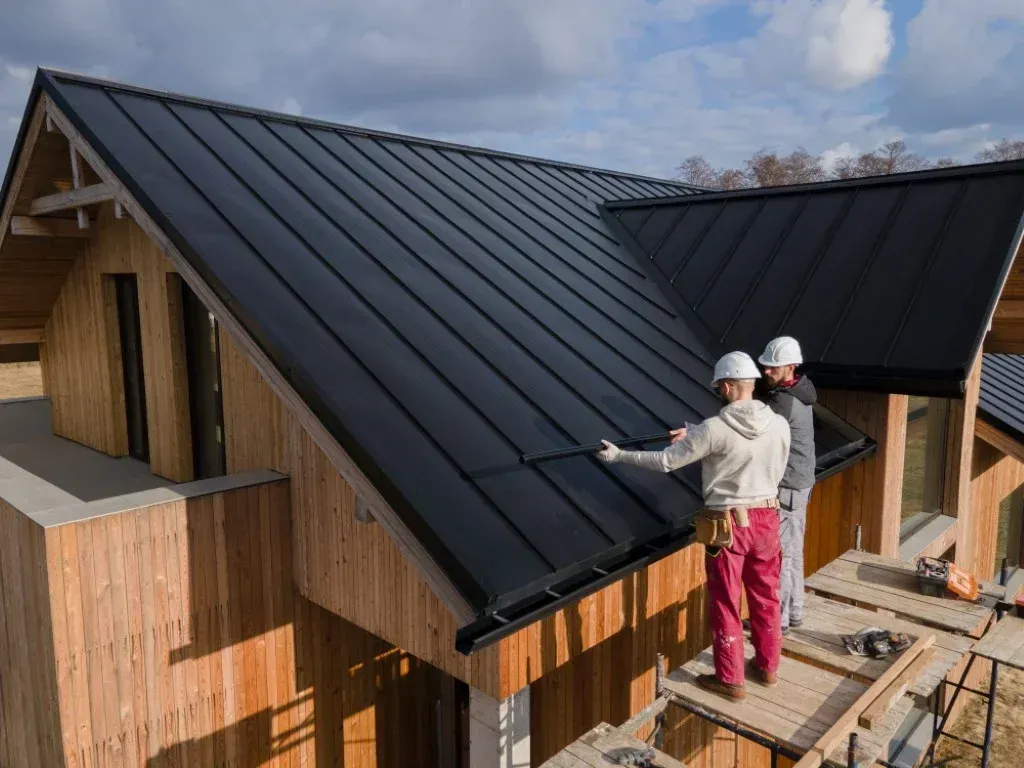
Long-Term Maintenance Solutions for Construction Projects
Establishing Proactive Long Term Construction Maintenance Plans

Creating Detailed Asset Registers for Construction Elements
The first step is to create an asset register listing every construction element—from structural components to electrical systems. This register records material specifications, installation dates, lifecycles, and past repairs, enabling facility managers to predict maintenance needs accurately. For example, a register may note that a roof has a 30-year life expectancy with inspections every five years. This approach minimizes downtime and ensures compliance with safety and industry regulations.
Scheduling Regular Inspections and Condition Monitoring
Regular inspections are crucial for identifying early wear, structural faults, or environmental stress before problems escalate. Scheduling maintenance based on each asset’s lifecycle—using both visual checks and modern methods like thermal imaging or corrosion sensors—enhances safety and reduces emergency repair costs. For instance, quarterly surveys of key structural elements can help adjust maintenance schedules as needed, supporting building automation and preventative initiatives.
Implementing Preventative Upkeep Routines for Structures
Routine upkeep such as tightening bolts, applying protective coatings, cleaning, and minor repairs prevents deterioration. This proactive maintenance minimizes the risk of costly emergency repairs—a critical benefit in commercial property management where even minor issues can lead to significant damage. A clear, documented upkeep procedure further maximises asset longevity and customer satisfaction.
Allocating Resources for Sustained Project Care
Efficient resource allocation is vital. Budgets must cover repairs and emergency projects, and skilled labor should be scheduled accordingly. Detailed cost projections and the use of predictive analytics help management set aside adequate funds (for example, 3% of annual operating costs) so that resources are ready for unforeseen maintenance. This strategic planning ensures that projects maintain high performance without sacrificing operational efficiency.
Training Teams for Effective Long Term Construction Maintenance Execution
Comprehensive training is essential for modern maintenance practices. Regular sessions on current repair techniques, safety protocols, CMMS systems, and sensor technologies keep teams current and effective. For instance, workshops on drone technology can improve the detection of structural issues in hard-to-reach areas. This ongoing training reduces errors and improves operational efficiency, protecting long-term investments.
Choosing Resilient Materials for Reduced Future Upkeep

Evaluating Material Durability in Specific Environments
Materials are selected based on environmental factors such as humidity, temperature changes, and pollution. In coastal areas, for instance, corrosion-resistant metals and specially treated concrete may be essential. Testing materials in simulated conditions determines their lifecycle and maintenance frequency, ensuring that only products offering prolonged efficiency and minimal upkeep are chosen.
Specifying Components With Minimal Long Term Construction Maintenance Requirements
Modern construction increasingly uses self-healing materials, weather-resistant finishes, and energy-efficient systems that reduce repair needs. Although these premium components may have higher upfront costs, they lower long-term expenses by extending lifespans and reducing energy management costs. Detailed manufacturer data supports careful selection, ensuring that all parts of the facility reliably withstand regular use and unexpected stresses.
Sourcing Sustainable Materials for Enhanced Longevity
Sustainable materials such as recycled steel, responsibly sourced wood, and eco-friendly concrete protect the environment and extend a project’s functional lifespan. These materials typically offer superior quality and durability and reduce both waste and long-term costs. When sourced from verified suppliers, they also improve safety standards and support robust asset management practices.
Understanding Material Lifecycles and Replacement Schedules
Knowing each material’s appropriate replacement timeline is key to effective scheduling. Reviewing lifespan data—such as a cladding system expected to last 25 years—helps managers plan replacements and budget accordingly, turning maintenance into a well-planned, predictive process that supports efficient procurement and labor scheduling.
Leveraging Technology for Efficient Long-Term Building Care
Using Building Information Modelling (BIM) for Maintenance Oversight
Deploying Sensor Technology for Real-Time Structural Health Monitoring
Adopting Computerised Maintenance Management Systems (CMMS)
Incorporating Drone Technology for Safe and Swift Inspections
Cost Management Strategies for Long-Term Construction Maintenance

Developing Accurate Cost Projections for Ongoing Upkeep
Using historical repair data and environmental factors to calculate life-cycle costs allows managers to set realistic maintenance budgets. For example, cost-projection models might show that investing in better materials now could cut annual costs by a notable margin. Predictive analytics further refine these projections for precise budgeting.
Securing Funding for Continuous Maintenance Programmes
Long-term strategies require continuous funding, whether through a dedicated maintenance fund, cost-sharing agreements, or performance-based contracts that promise lower future expenses. Demonstrating a reduced rate of emergency repairs over time can help secure this ongoing investment.
Optimising Spending on Repair and Replacement Works
Strategic negotiations with suppliers and efficient purchasing, alongside predictive data from CMMS systems, help time repairs better and minimise emergency interventions. This optimisation not only saves money immediately but also reduces overall downtime and extends asset longevity.
Analysing Life-Cycle Costs of Construction Assets
Life-cycle cost analysis (LCCA) evaluates the total cost of ownership—from initial construction to ongoing maintenance and eventual replacement. This transparent approach supports better financial decisions and ensures that investments in high-quality materials and technologies are economically justified over time.
Upholding Safety and Compliance in Construction Project Maintenance
Maintaining safety and regulatory compliance is essential. High safety standards protect occupants and workers while minimising legal risks and keeping projects operational.
Adhering to Health and Safety Regulations for Maintenance Works
Strict adherence to health and safety protocols—including regular training, up-to-date equipment, and compliance with international guidelines—is critical. Regular audits and thorough documentation ensure that safety procedures meet current regulations and continuously improve.
Ensuring Structures Remain Compliant With Building Codes
Ongoing compliance with updated building codes is ensured through regular audits, component testing, and reviews of maintenance records. This proactive approach helps avoid costly retrofits and fines while keeping the facility safe.
Documenting All Maintenance Activities for Regulatory Audits
Comprehensive documentation of repairs, inspections, and maintenance actions is crucial during audits. Digital records on CMMS platforms provide transparent histories that prove compliance and assist in future planning.
Implementing Safe Work Practices for Maintenance Personnel
Safe work practices, including the proper use of PPE, routine safety drills, and adherence to established protocols, reduce workplace injuries and enhance team efficiency. A strong safety culture directly contributes to reduced downtime and improved operational reliability.
Future-Proofing Construction Projects Through Adaptive Maintenance

Anticipating Potential Environmental Impacts on Structures
Incorporating risk assessments into maintenance planning helps prepare for climate change, natural disasters, and pollution. For example, buildings in flood-prone areas might feature elevated foundations and advanced drainage systems. Real-time sensor monitoring further supports swift adaptation to environmental stresses.
Designing for Ease of Future Repairs and Upgrades
A forward-thinking design simplifies future repairs and upgrades. Modular construction, standardized parts, and accessible layouts ensure that components can be quickly replaced or modified without extensive disruption, reducing downtime and resource use.
Incorporating Flexibility Into Long Term Construction Maintenance Schedules
Flexible schedules allow teams to adjust maintenance intervals based on real-time data or unexpected issues. This adaptability reduces reliance on emergency repairs and ensures that resources are optimally allocated in response to current conditions.
Reviewing and Updating Maintenance Strategies Periodically
Regular strategy reviews—through performance audits and financial assessments—ensure that maintenance plans remain effective and up-to-date. Annual evaluations help align practices with the latest innovations and regulatory changes, ultimately protecting asset longevity and operational efficiency.
Leveraging Technology for Efficient Long-Term Building Care
Table: Comparative Analysis of Key Maintenance Factors
Maintenance FactorAttributeBenefitExample Data/MetricAsset DurabilityMaterial LifespanExtended operational efficiency25–30 years lifespanInspection FrequencyRegular condition checksEarly detection of potential issuesQuarterly/AnnualPreventative MaintenanceRoutine upkeepReduced emergency repairs15% cost reduction over 10 yearsTechnology IntegrationBIM, CMMS, SensorsImproved real-time managementReal-time alertsCost ProjectionsDetailed budgetingAccurate financial planning3% of annual operating costs
This table summarises key factors in long-term construction maintenance. Detailed planning and innovative technologies can lower costs and significantly improve asset longevity.
List: Key Benefits of Proactive Maintenance
1. Enhanced safety compliance through regular inspections and adherence to updated regulations.
2. Early detection of potential issues via predictive analytics and technology integration, reducing downtime and repair costs.
3. Systematic resource allocation ensures funds are available for unforeseen repairs, enhancing financial stability.
4. Sustainable, resilient material selection minimizes frequent replacements while supporting environmental objectives.
5. Continuous training and adaptive scheduling empower maintenance teams, leading to higher operational efficiency and prolonged asset life.
